

Best AI Tools for Online Research in 2026
Compare 8 research workflows and turn a broad question into a source-linked, reviewable brief.
Explore the guide
A broad question becomes a checkable evidence brief.
Question: How are small retailers using computer vision for inventory checks?
Supported
Group findings by store task and cite each material claim.
Boundary: Use sources published since 2023 and separate vendor claims from independent studies.
Uncertain
Flag adoption-rate claims that trace only to vendor marketing.
Output: A short brief with source links, publication dates, and unresolved questions.
Excluded
Remove examples outside the date and retail boundaries.
Authored workflow example. It is not the result of a product test.
A useful research output preserves the question, the evidence boundary, and the trail back to each source.
Choose by evidence source and workflow.
Search and review scholarly papers

Elicit
Choose Elicit when you need to structure a literature review with links back to the material used.

Consensus
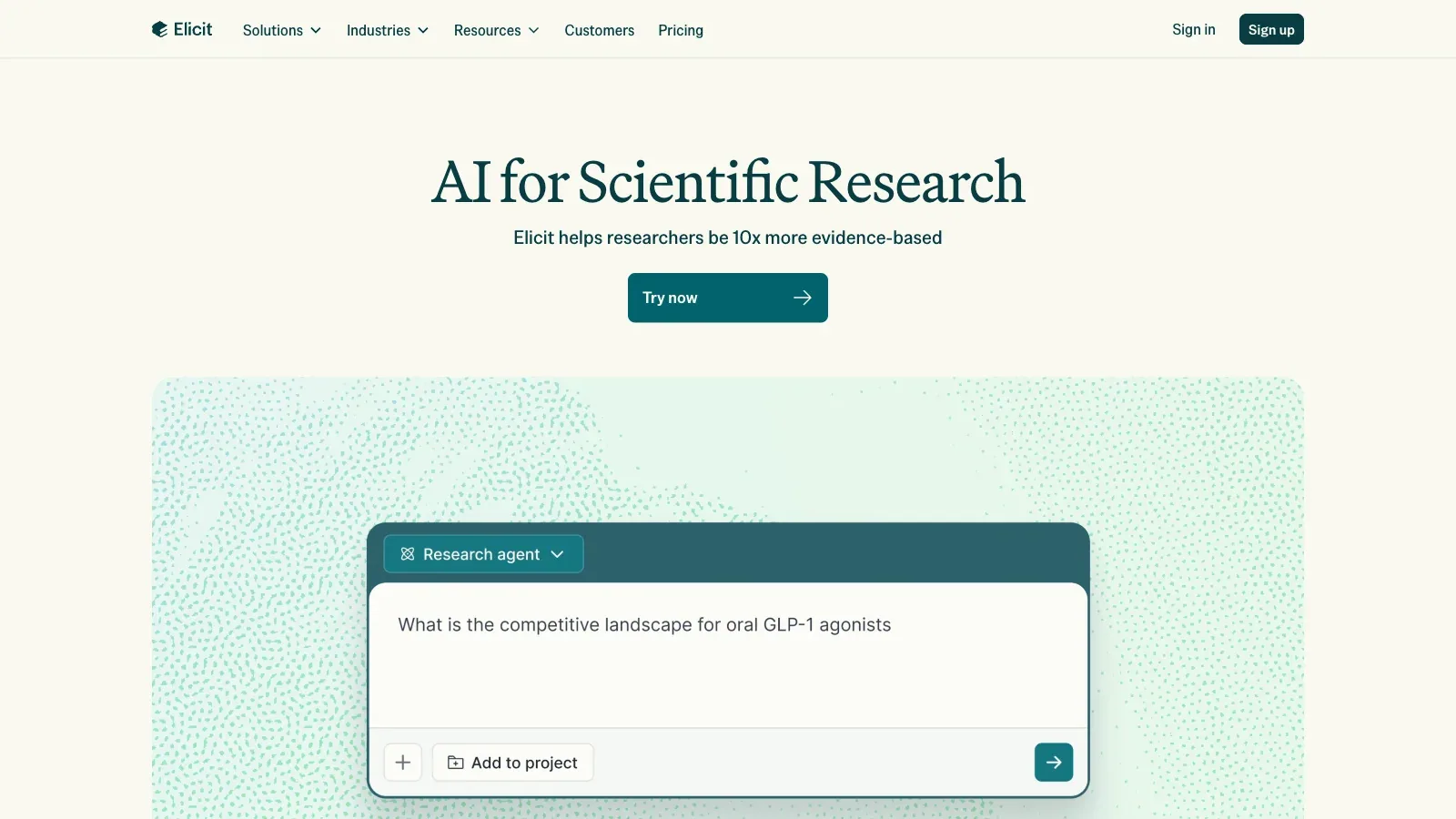
Choose Consensus when you need to search peer-reviewed evidence with links back to the material used.

SciSpace
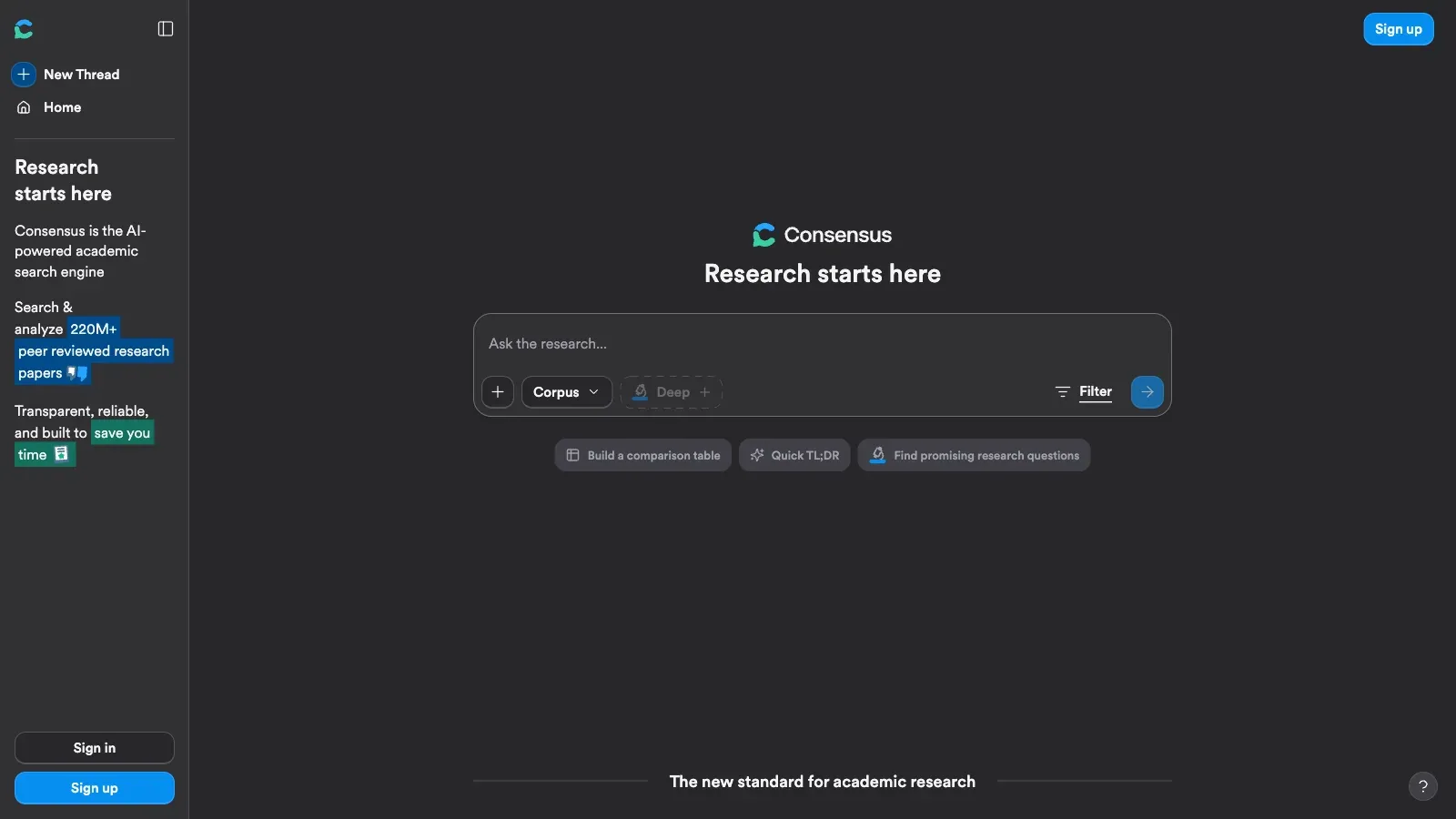
Choose SciSpace when you need to read and extract from papers with links back to the material used.
Investigate the open web

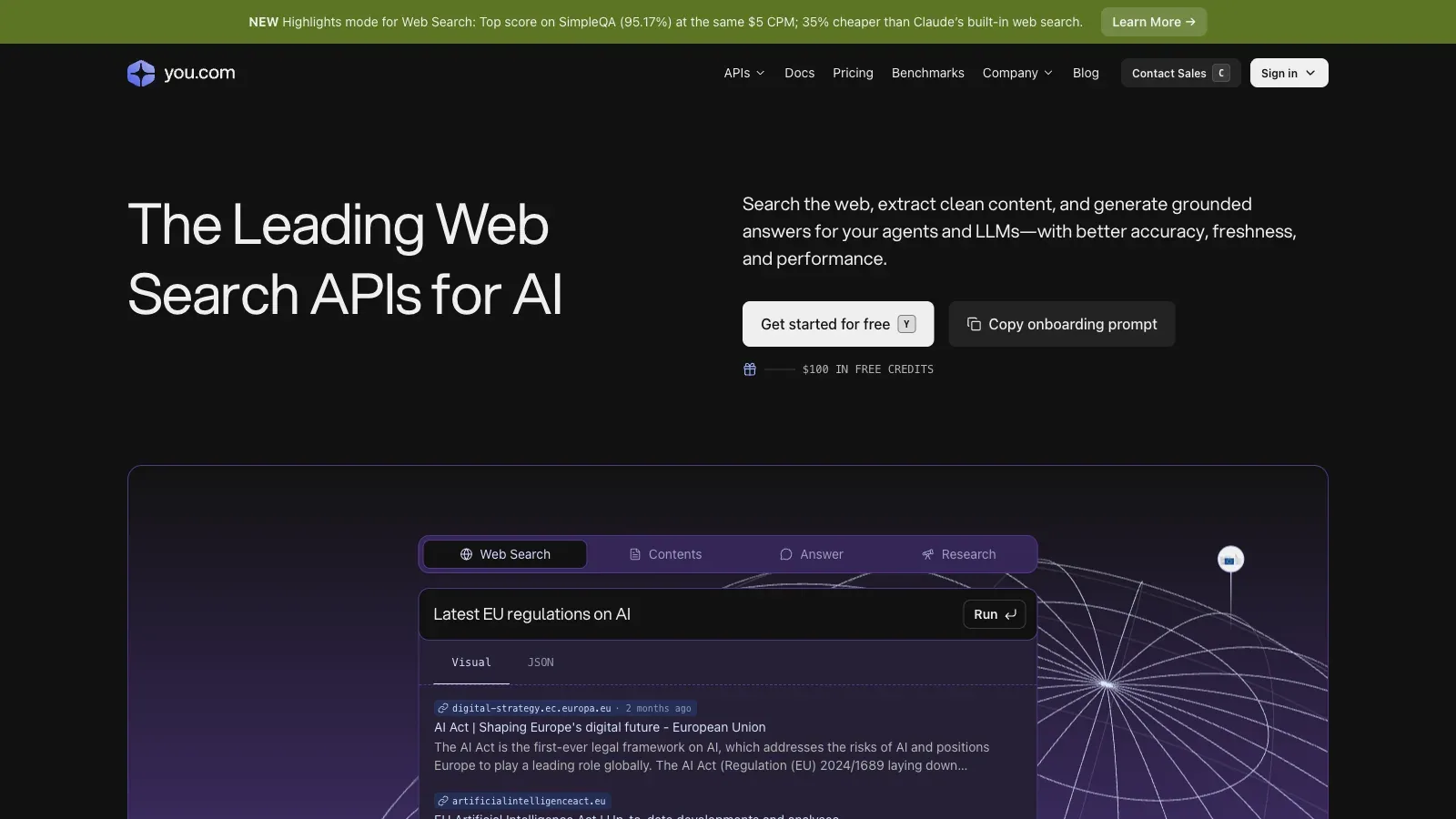
You.com
Choose You.com when you need to research the open web with links back to the material used.
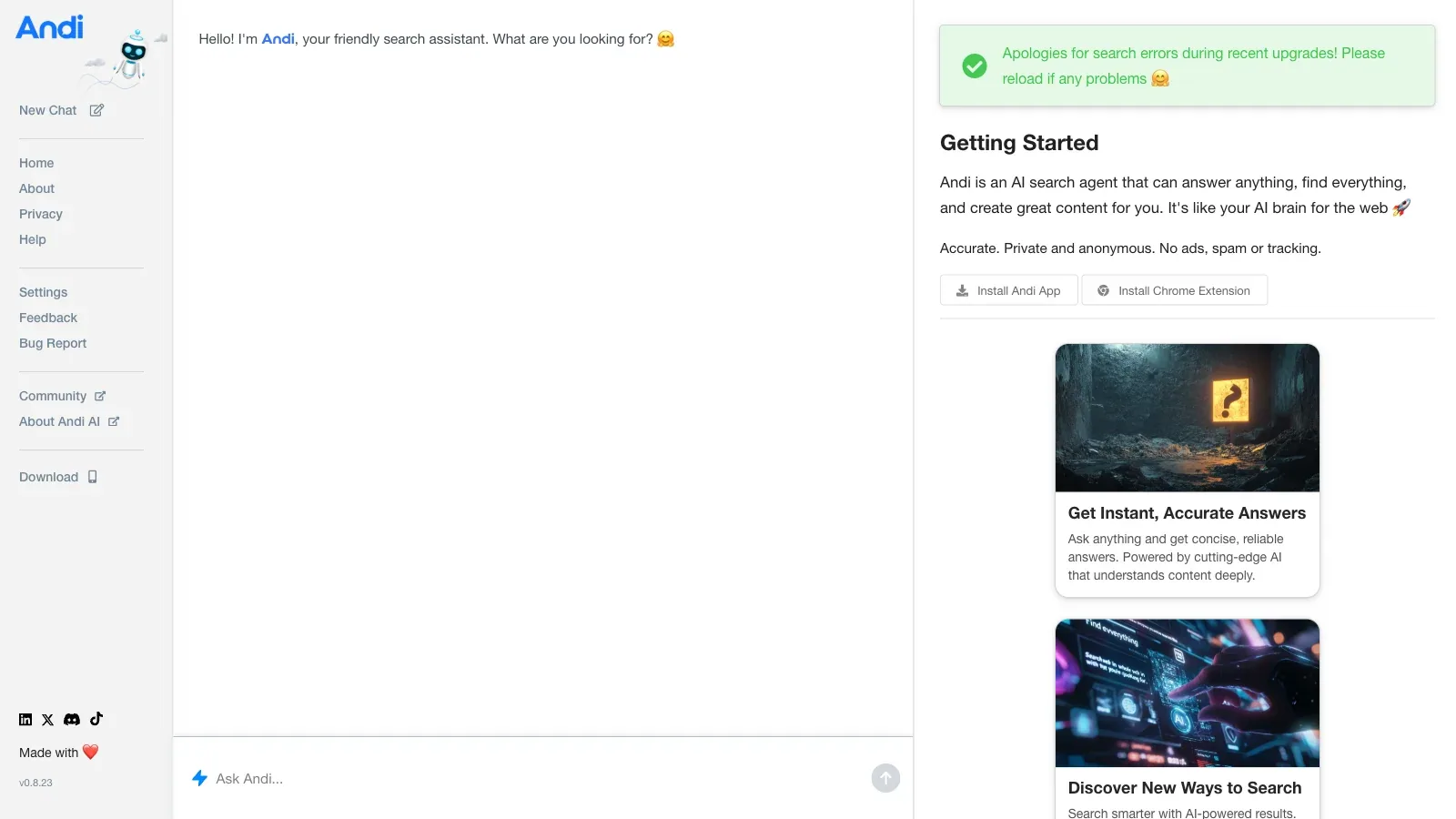
Andi
Choose Andi when you need to run quick conversational searches with links back to the material used.

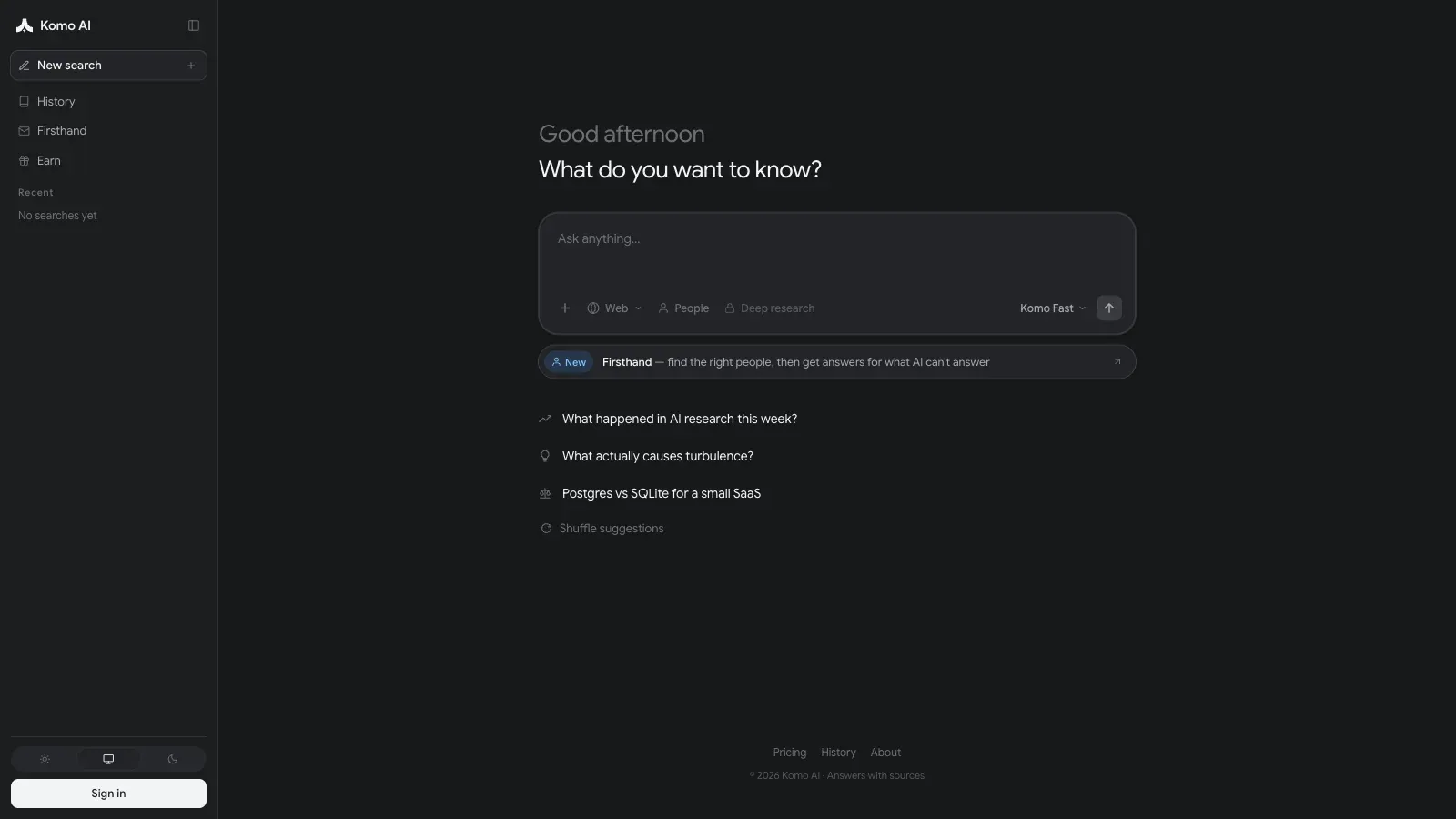
Komo
Choose Komo when you need to explore a topic through follow-ups with links back to the material used.
Build research into an agent or application
Compare the source boundary and handoff.
Official product, documentation, and pricing pages checked September 17, 2026. Plan limits and source coverage still require a project-specific check.
| Tool | Workflow fit | Starting material | Research output | Access | Practical limit |
|---|---|---|---|---|---|
| Elicit | Structure a literature review | Research question and inclusion criteria | Evidence table and source-linked report | Basic through Enterprise | Usage and systematic-review allowances vary by plan. |
| Consensus | Search peer-reviewed evidence | Evidence question and filters | Cited answer and study snapshots | Free through Enterprise | Deep-review and API allowances vary by plan. |
| SciSpace | Read and extract from papers | Papers, PDFs, and extraction fields | Paper explanations and review table | Free, Premium, and institutional | Premium extraction and institutional access vary by plan. |
| You.com | Research the open web | Open-ended web question and files | Source-linked research answer | Free through Team | Model, research-agent, and file limits vary by plan. |
| Andi | Run quick conversational searches | Focused web question | Concise answer with page links | Free | The free service does not replace source verification. |
| Komo | Explore a topic through follow-ups | Topic and follow-up questions | Exploration trail with sources | Free through Business | Plan quotas and source coverage constrain longer investigations. |
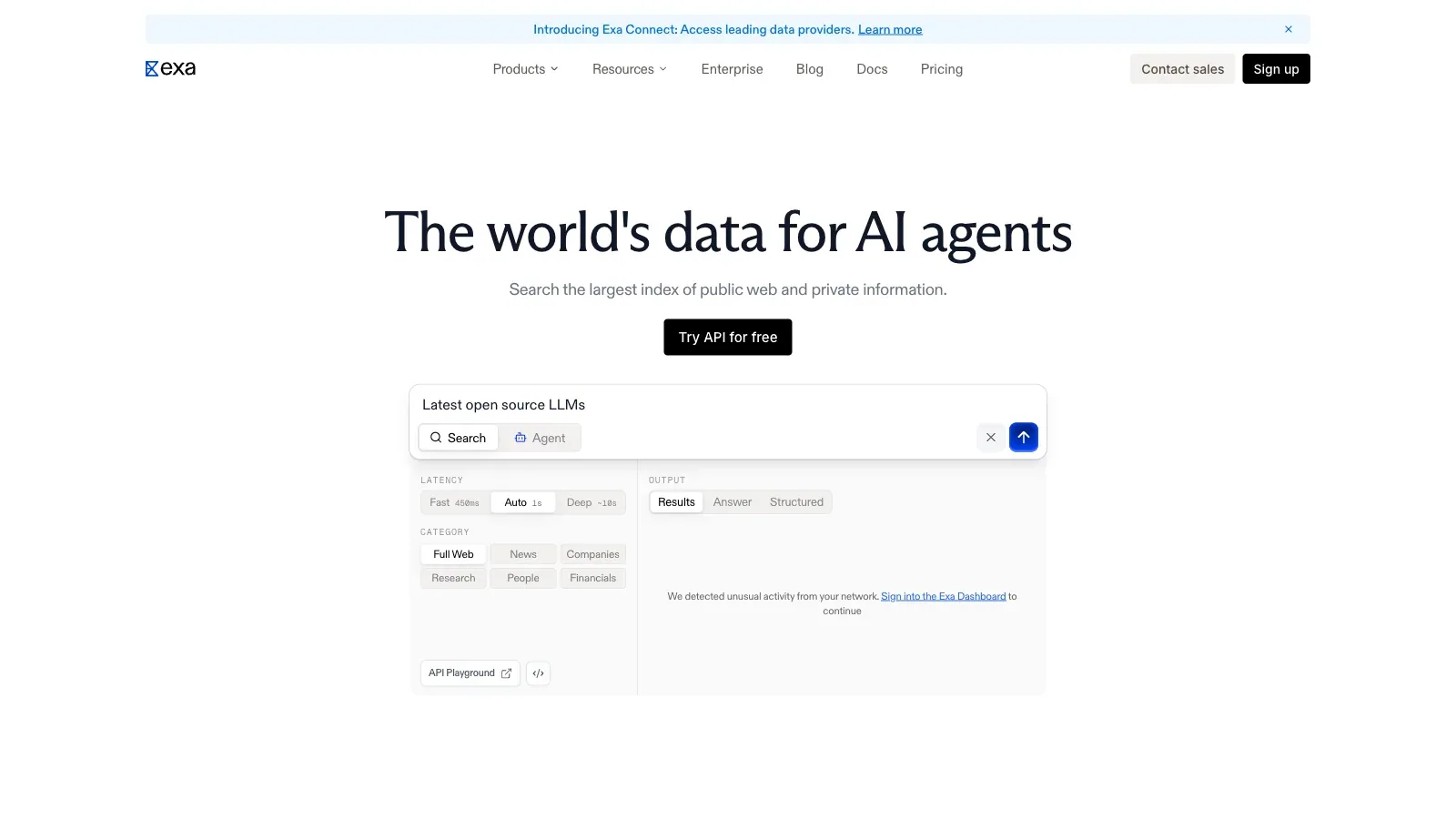
 Exa Exa | Build a custom retrieval pipeline | API query and retrieval parameters | Ranked results and extracted content | Free, metered API, and Enterprise | API costs rise with search and content volume. |
 Tavily Tavily | Connect an agent to live web search | Agent query and domain controls | Search results, extracted content, and answer | Researcher through Enterprise | Credits vary by endpoint and search depth. |
Where each research tool fits.
Elicit
- Free
- $11/month
- $39/month
- $89/month
- Custom pricing
- Choose it when
- Researchers working with scholarly papers.
- Think twice when
- Usage and systematic-review allowances vary by plan.
- Before you start
- Define the question, source boundary, and evidence standard before starting.
Consensus
- Free
- $20/month
- $65/month
- Custom pricing
- Choose it when
- Researchers working with scholarly papers.
- Think twice when
- Deep-review and API allowances vary by plan.
- Before you start
- Define the question, source boundary, and evidence standard before starting.
SciSpace
- Free
- $12/month
- Custom pricing
- Choose it when
- Researchers working with scholarly papers.
- Think twice when
- Premium extraction and institutional access vary by plan.
- Before you start
- Define the question, source boundary, and evidence standard before starting.
You.com
- Free
- $20/month
- $200/month
- Custom pricing
- Choose it when
- People comparing current web sources.
- Think twice when
- Model, research-agent, and file limits vary by plan.
- Before you start
- Define the question, source boundary, and evidence standard before starting.
Andi
- Free
- Choose it when
- People comparing current web sources.
- Think twice when
- The free service does not replace source verification.
- Before you start
- Define the question, source boundary, and evidence standard before starting.
Komo
- Free
- $15/month
- $30/month
- Custom pricing
- Choose it when
- People comparing current web sources.
- Think twice when
- Plan quotas and source coverage constrain longer investigations.
- Before you start
- Define the question, source boundary, and evidence standard before starting.
Exa
- Free
- $5/1,000 searches
- Custom pricing
- Choose it when
- Teams building research into an application or agent.
- Think twice when
- API costs rise with search and content volume.
- Before you start
- Define the question, source boundary, and evidence standard before starting.
Tavily
- Free
- $30/month
- $100/month
- $220/month
- $500/month
- Custom pricing
- Choose it when
- Teams building research into an application or agent.
- Think twice when
- Credits vary by endpoint and search depth.
- Before you start
- Define the question, source boundary, and evidence standard before starting.
These recommendations use documented capabilities and pricing, not hands-on quality scores.
Build a research trail another reader can audit.
Write a bounded question
State the audience, date range, geography, source types, and claims that need stronger evidence.
Choose the source universe
Use literature tools for scholarly evidence, web tools for current public information, or an API when research must run inside another system.
Run several focused searches
Split a broad question into smaller claims. Save useful queries, rejected sources, dates, and the reason each source was kept.
Read the underlying sources
Open the cited page or paper. Check whether it supports the exact claim, and distinguish primary evidence from commentary or vendor material.
Synthesize with uncertainty intact
Group findings by question, cite every material claim, and label conflicts, missing evidence, and time-sensitive details.
Review the handoff
Use the checklist before publishing or acting on the research. A fluent answer is not evidence by itself.
Research review template
Keep this note with the final brief so another person can reproduce the search and challenge the conclusions.
Question:
Audience and decision:
Date range and geography:
Allowed source types:
Excluded source types:
Queries used:
Key findings with source links:
Conflicting evidence:
Missing evidence:
Claims needing a fresh check:
Next action:
Before sharing the brief
Questions to settle before choosing.
Should I use a scholarly or open-web research tool?
Use scholarly tools when peer-reviewed papers are the required evidence base. Use open-web tools for current public information, and record the source type for every claim.
Do citations make an AI answer reliable?
No. Citations make a claim inspectable. Open the source and confirm that it supports the wording, date, and scope of the claim.
When does an API make sense?
Choose an API when research must run repeatedly inside an agent, product, or internal workflow. Budget for search depth, content retrieval, and answer generation separately.
How should I compare conflicting sources?
Record the source type, publication date, method, and population or market covered. Keep the disagreement visible instead of averaging incompatible claims.
Can these tools replace a database subscription?
Not automatically. Coverage and full-text access differ. Confirm that the tool reaches the journals, databases, or sites your project requires.
What should the final deliverable include?
Include the bounded question, concise findings, links to primary sources, dates, unresolved conflicts, missing evidence, and a clear next action.