

Best AI Tools for Deep Research in 2026
Compare 8 tools and produce a research brief whose claims can be traced to primary sources.
Explore the guide
From a bounded question to a reviewable result.
Research question: When does the Riverside Reading Room open on Saturdays?
Scope
Find regular Saturday hours for this specific venue.
Older announcement: An archived opening announcement lists Saturday hours of 9:00–17:00.
Current schedule
Regular Saturday hours are 10:00–16:00.
Current schedule: The current official hours page lists Saturday 10:00–16:00.
Conflicting source
The older 9:00–17:00 announcement is historical.
Unanswered point: Neither supplied page says whether holiday Saturdays follow the same schedule.
Exception
Holiday Saturday hours are not established.
Illustrative example, not a product run or measured result.
A research brief should show which source controls the answer and where the available evidence stops. The place and notes in this illustration are fictional.
8 tools. Find your starting point.
Find and compare public sources

Gemini Notebook
Choose this when you want to select the source collection before asking research questions and drafting a cited brief.

Felo
Use when relevant sources may be published in several languages and you need one working-language brief.

Gemini
Use when you want to inspect the proposed research plan before the report is generated.
Develop a written brief

ChatGPT
Use when you want to refine the research question and turn the findings into a structured explanation.

Claude
Choose this when your own source documents need to be considered alongside the web.

Notion
Use a Notion workspace to organize supplied evidence, connected context and the evolving research brief in one place.
Combine research with an artifact
Compare what changes your decision.
8 tools for deep research · official sources rechecked September 16, 2026
| Tool | Workflow fit | Starting input | Working output | Access | Review needed |
|---|---|---|---|---|---|
| Gemini Notebook | Build a checked source collection | A research research question, web URLs, and documents | Selected sources, cited answers, and research reports | Standard free; Google AI plans raise limits | HTML imports contain page text, without embedded media or nested pages; paywalled pages are unsupported. Check what was imported before relying on an answer. |
| ChatGPT | Research to a written brief | A research question, source preferences, and optional files | A multi-source research report | Plan and region limits apply | Check the report against original pages and distinguish retrieved facts from synthesis. |
| Claude | Research with document context | A research question and relevant file or connected context | Cited findings from multiple searches | Research requires a paid Claude plan | Research can use the chat allowance faster; connected files require appropriate access. |
| Gemini | Review the research plan first | A research question, files, and optional Google sources | A report based on an editable research plan | Signed-in users aged 18+; paid plans raise limits | Daily and concurrent limits apply; available sources depend on account access. |
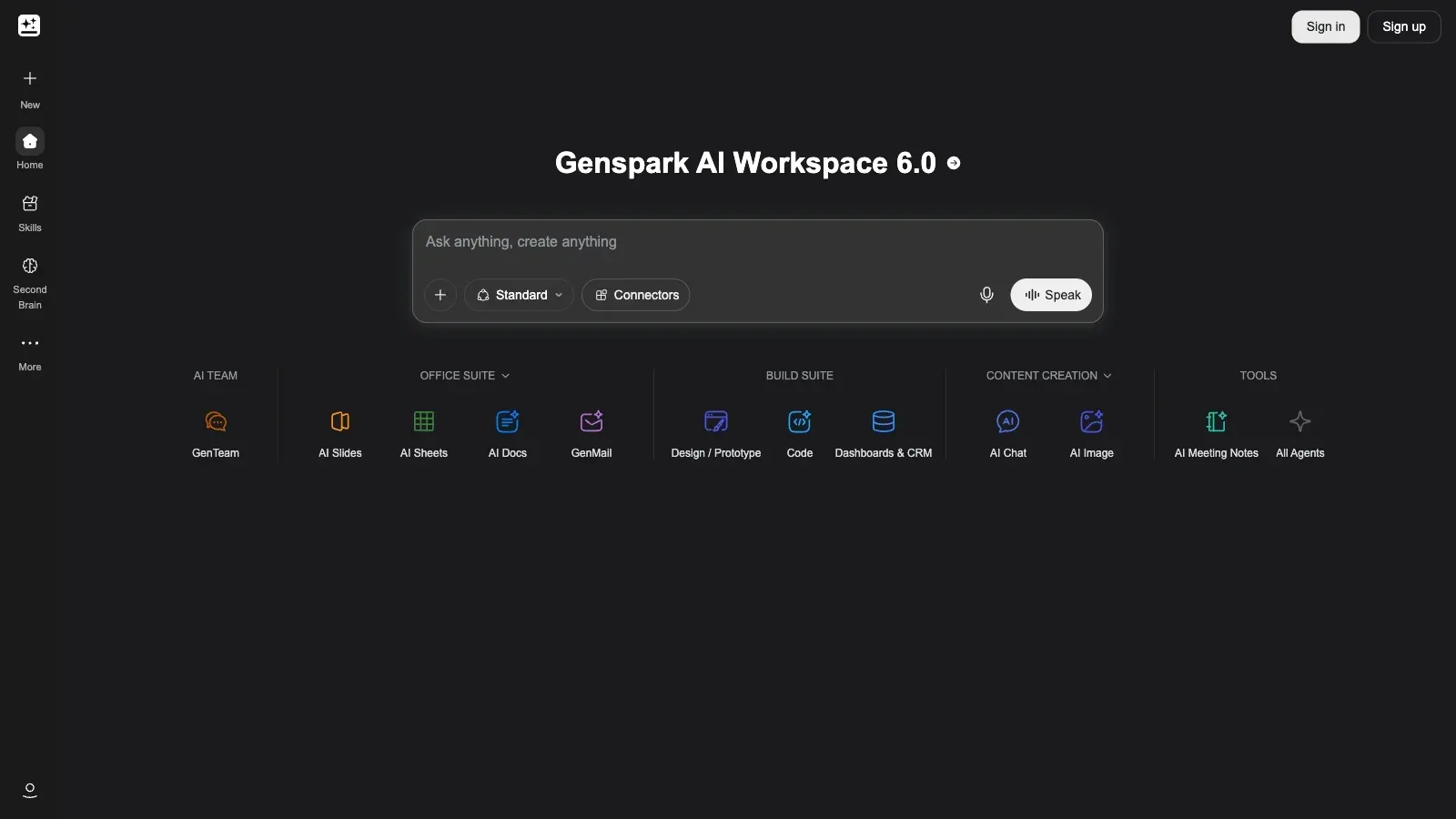
 Genspark Genspark | Research with a deliverable | A brief, files, and connected context | Multi-step research and creation work | Free credits; Plus and Pro prices require checkout | Agent completion does not establish that every claim has adequate evidence. |
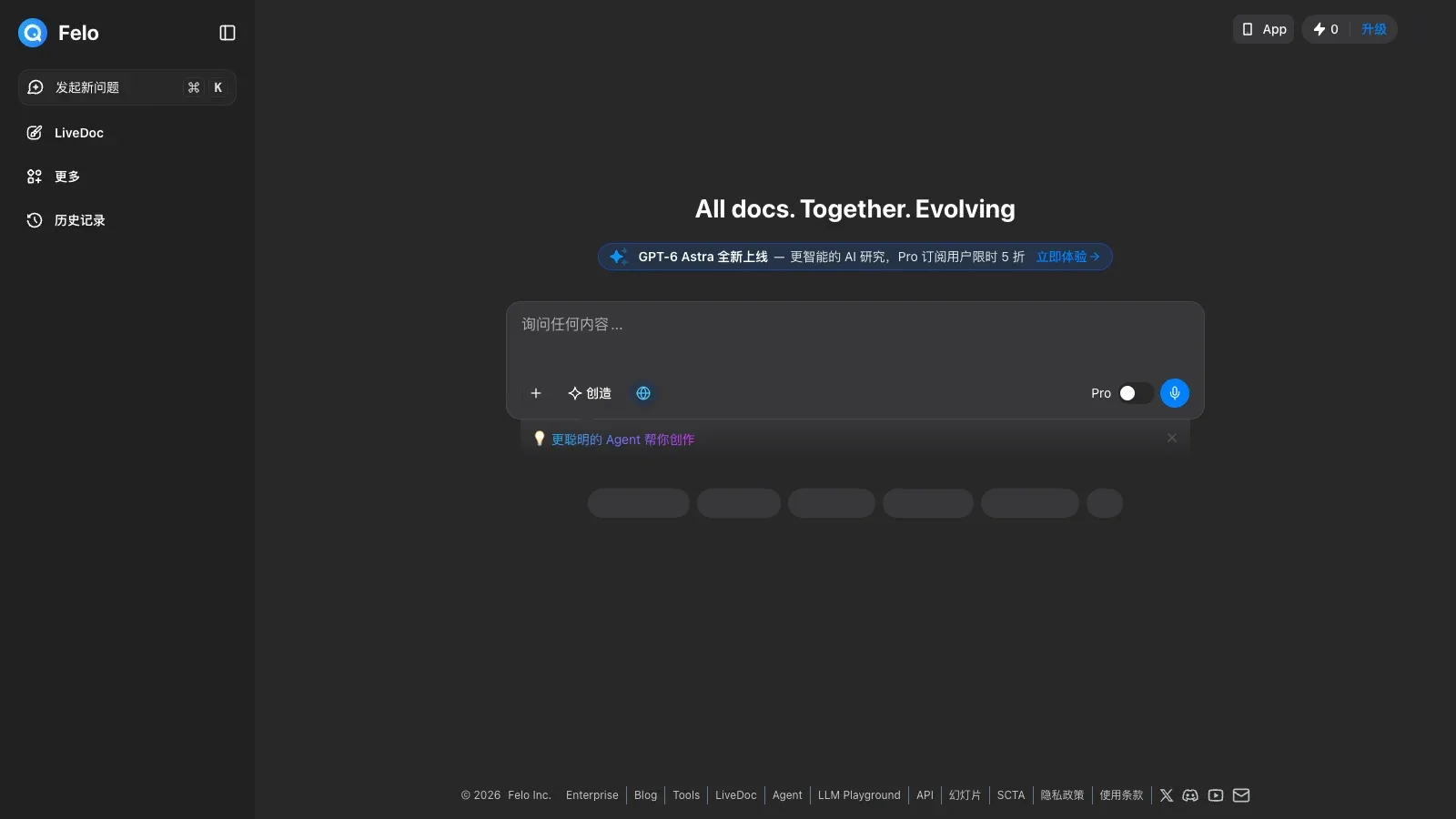
| Felo | Research across languages | A topic or research question in your language | Cited reports, presentations, and mind maps | Free start; shared-credit subscription available | Check original wording for decisive claims; translated summaries can lose qualifications. |
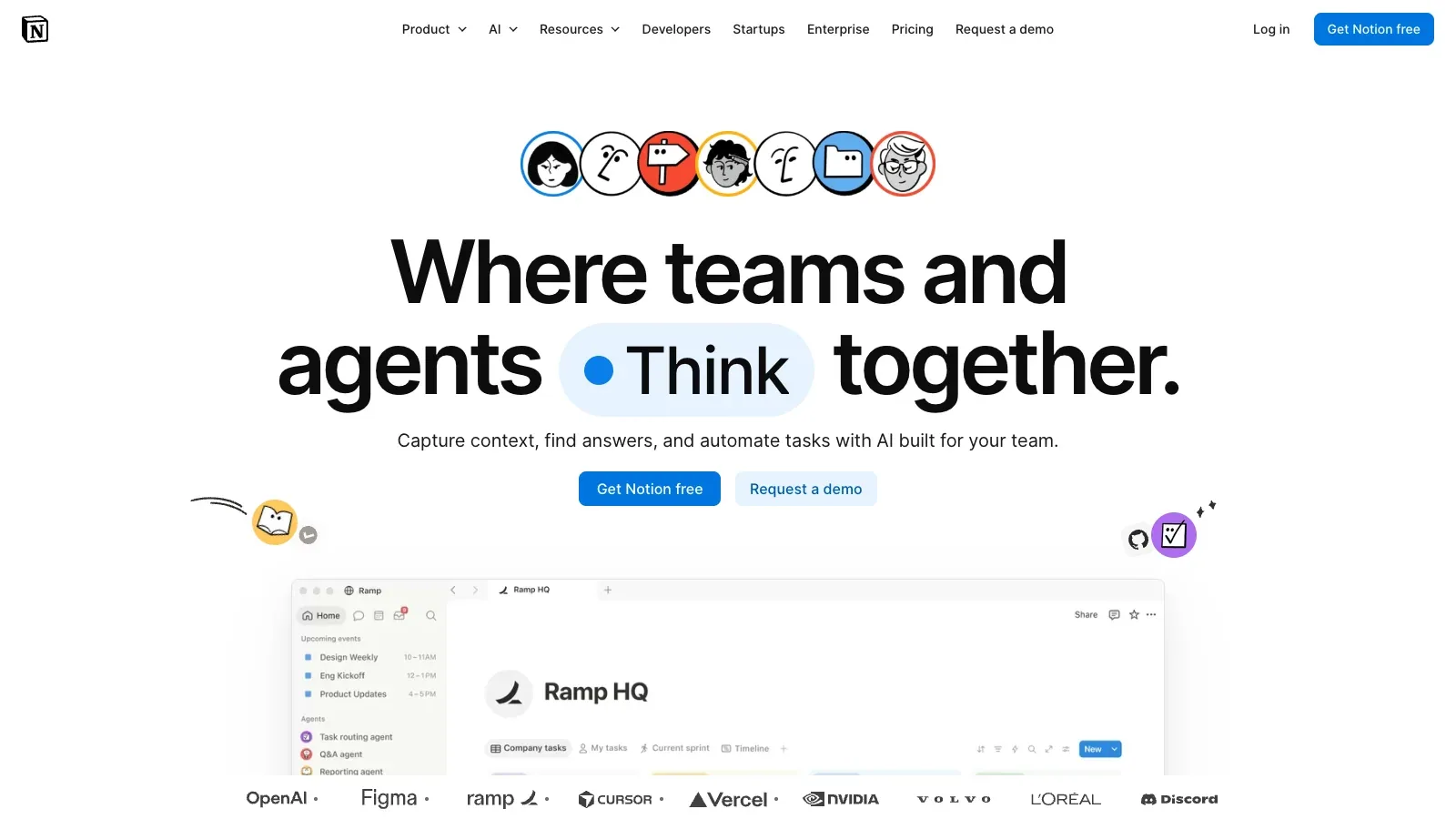
| Notion | Evidence workspace for a deep-research brief | Workspace pages and permitted connected-app context | Editable research pages and organized evidence | AI access and allowances vary by plan | External claims still need primary-source links and manual verification. |
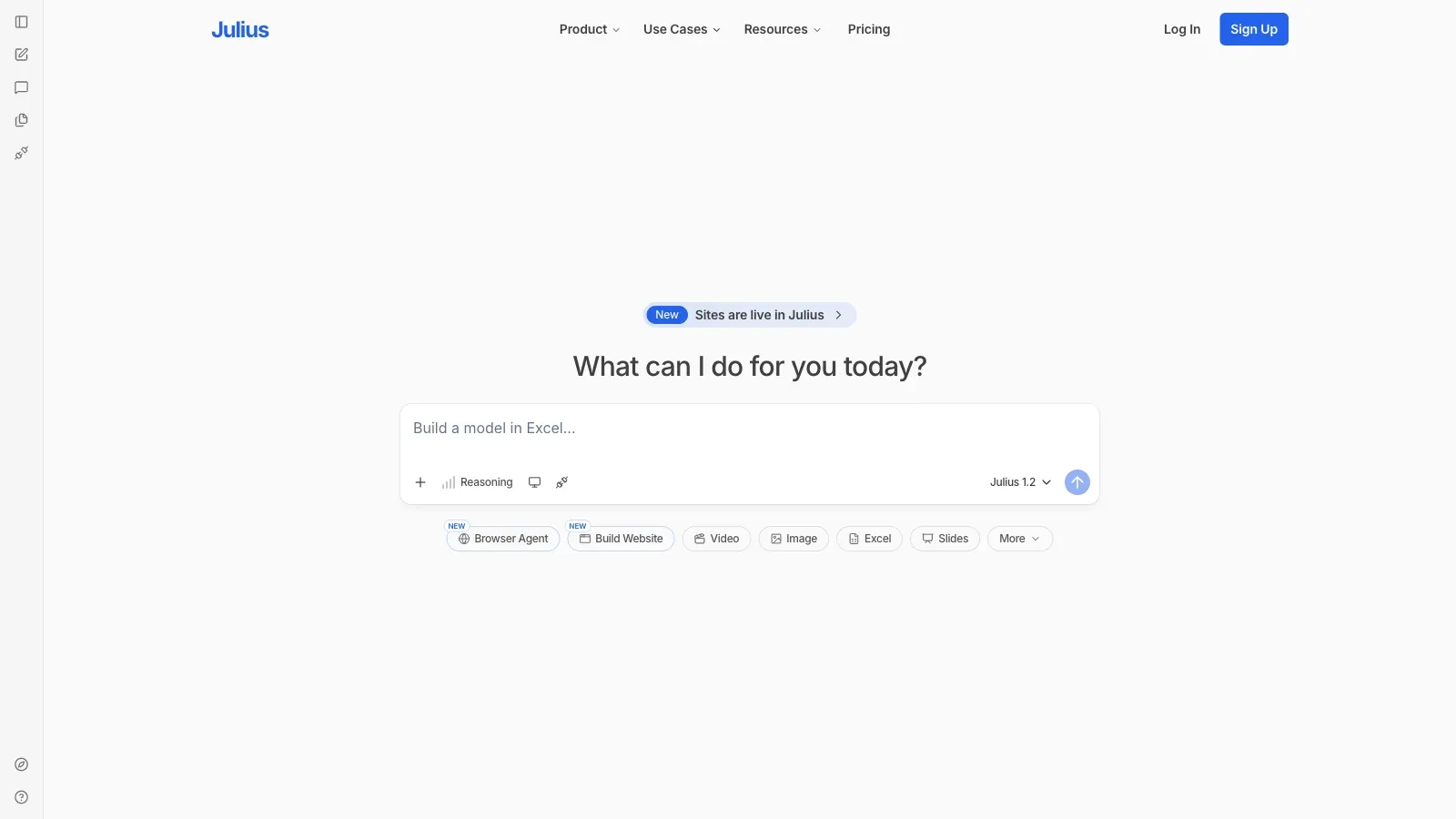
 Julius AI Julius AI | Research that includes calculations | A research question, documents, and data files | Cited findings, code-backed analysis, and reports | Free credits; Plus $20/month | A correct calculation can still use an unsuitable source; audit data provenance and interpretation separately. |
A closer look at 8 tools.
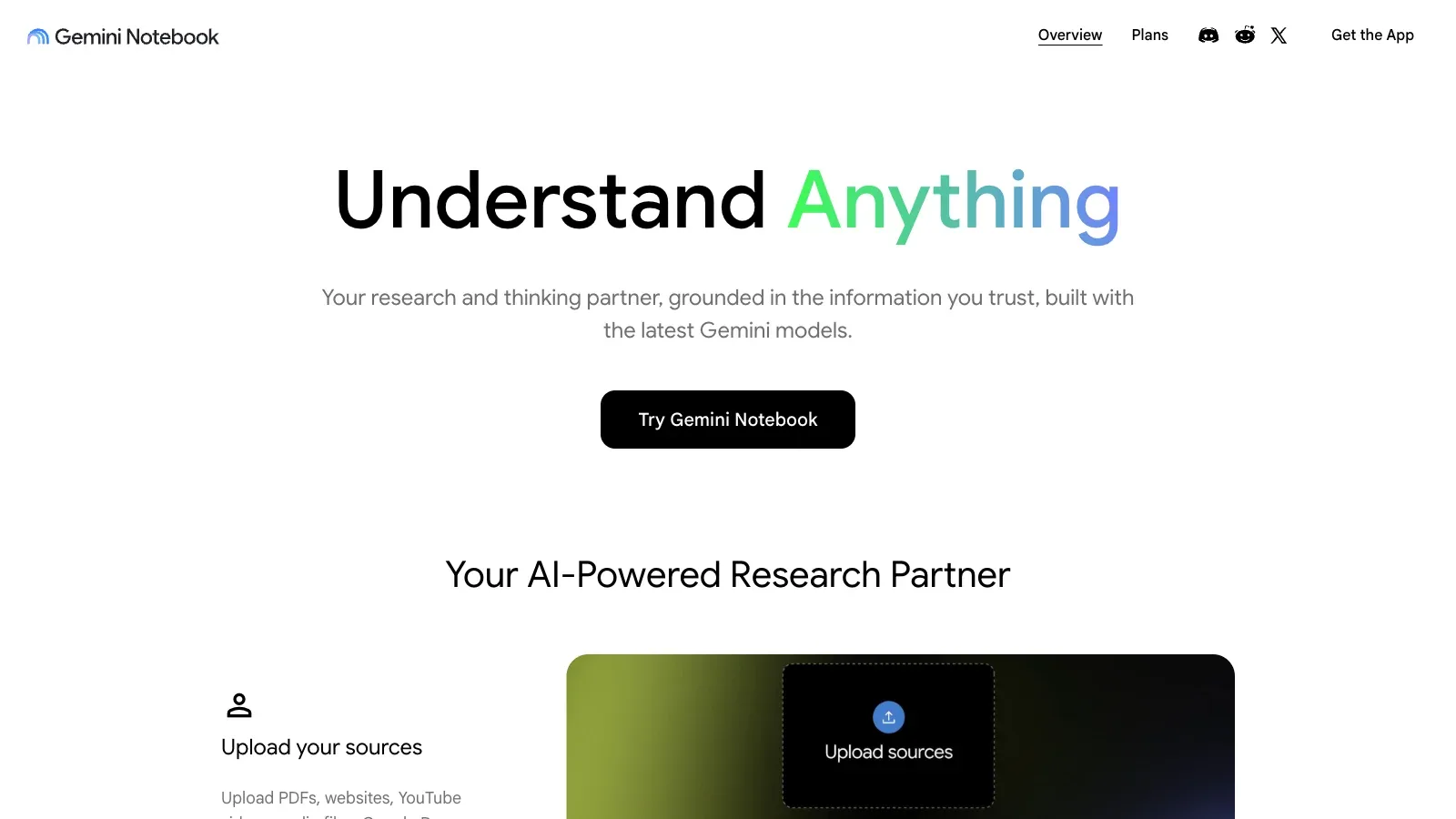
Gemini Notebook
- Free
- $4.99/month
- $19.99/month
- $99.99/month
- Price unverified
- Choose it when
- A researcher building a reusable notebook from web pages and documents.
- Think twice when
- HTML imports contain page text, without embedded media or nested pages; paywalled pages are unsupported. Check what was imported before relying on an answer.
- Before you start
- Open the original pages, select the sources to import, and inspect their imported text.
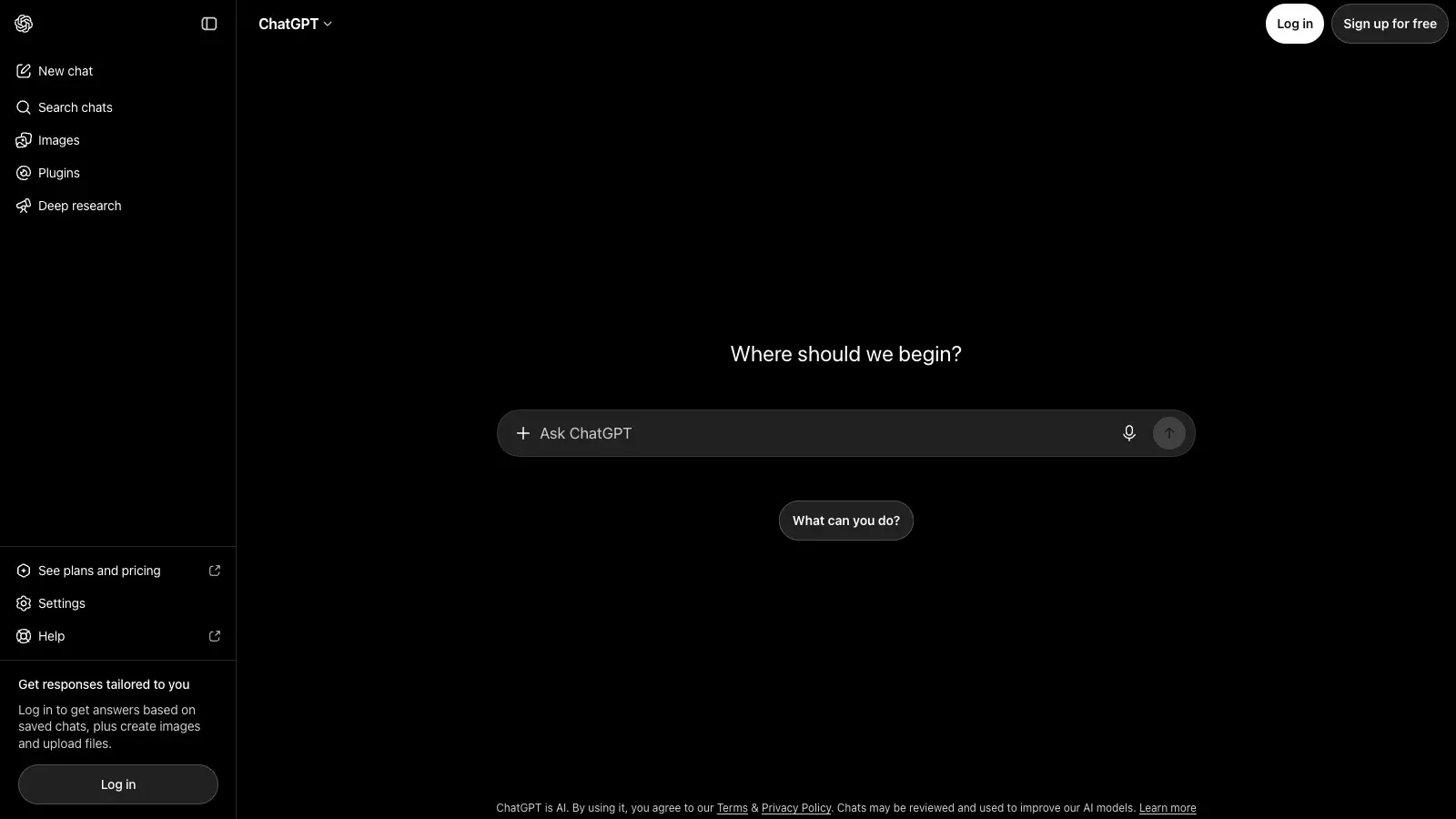
ChatGPT
- Free
- Price unverified
- $20/month
- $100/month
- $25/user/month
- Custom pricing
- Choose it when
- A writer who needs research and follow-up drafting together.
- Think twice when
- Check the report against original pages and distinguish retrieved facts from synthesis.
- Before you start
- Confirm Deep Research availability and review the proposed scope.
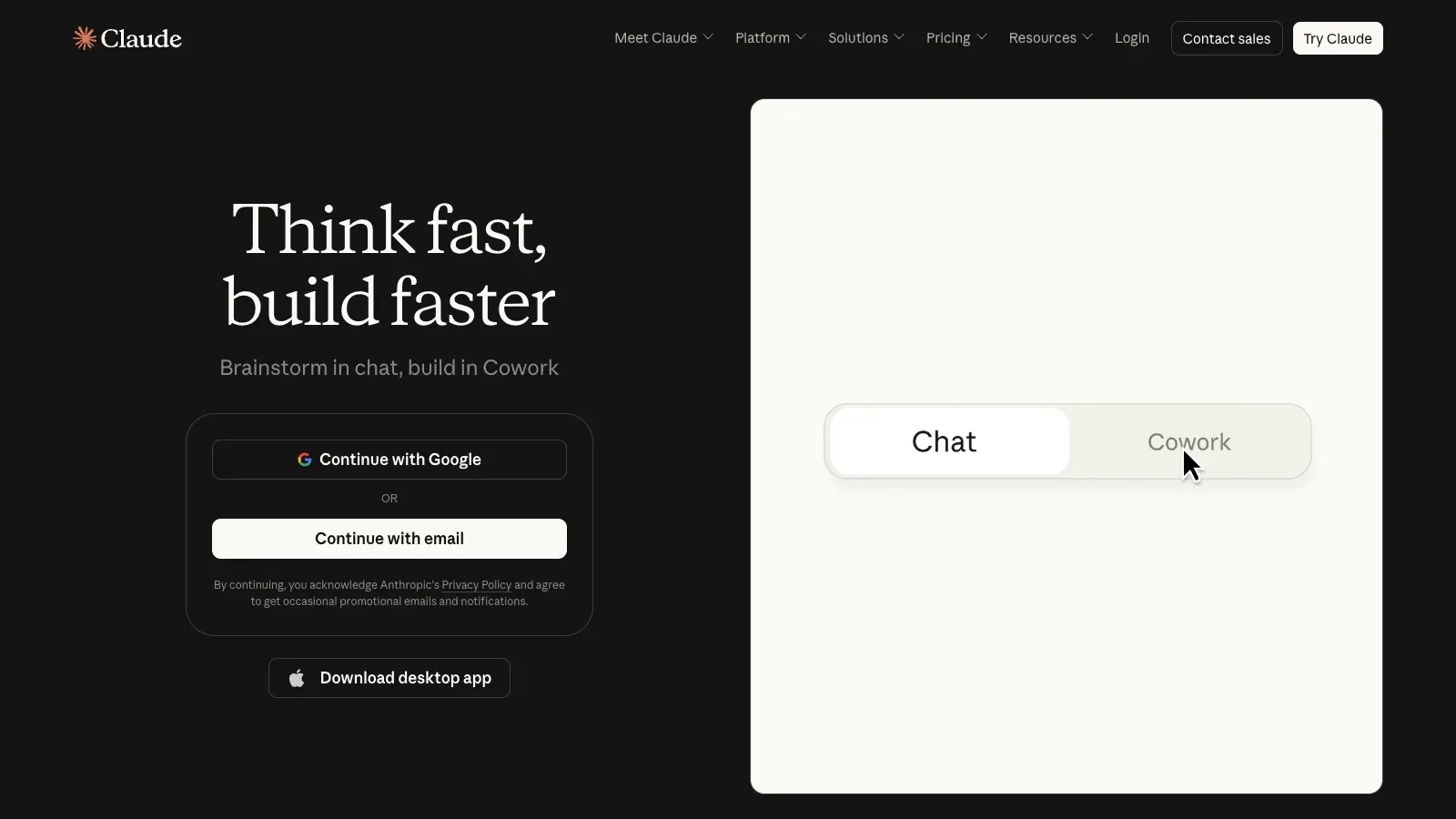
Claude
- Free
- $20/month
- $100/month
- $25/seat/month
- Price unverified
- Custom pricing
- Choose it when
- An analyst building an argument from supplied material.
- Think twice when
- Research can use the chat allowance faster; connected files require appropriate access.
- Before you start
- Turn on web search, choose Research, and name the sources to include.
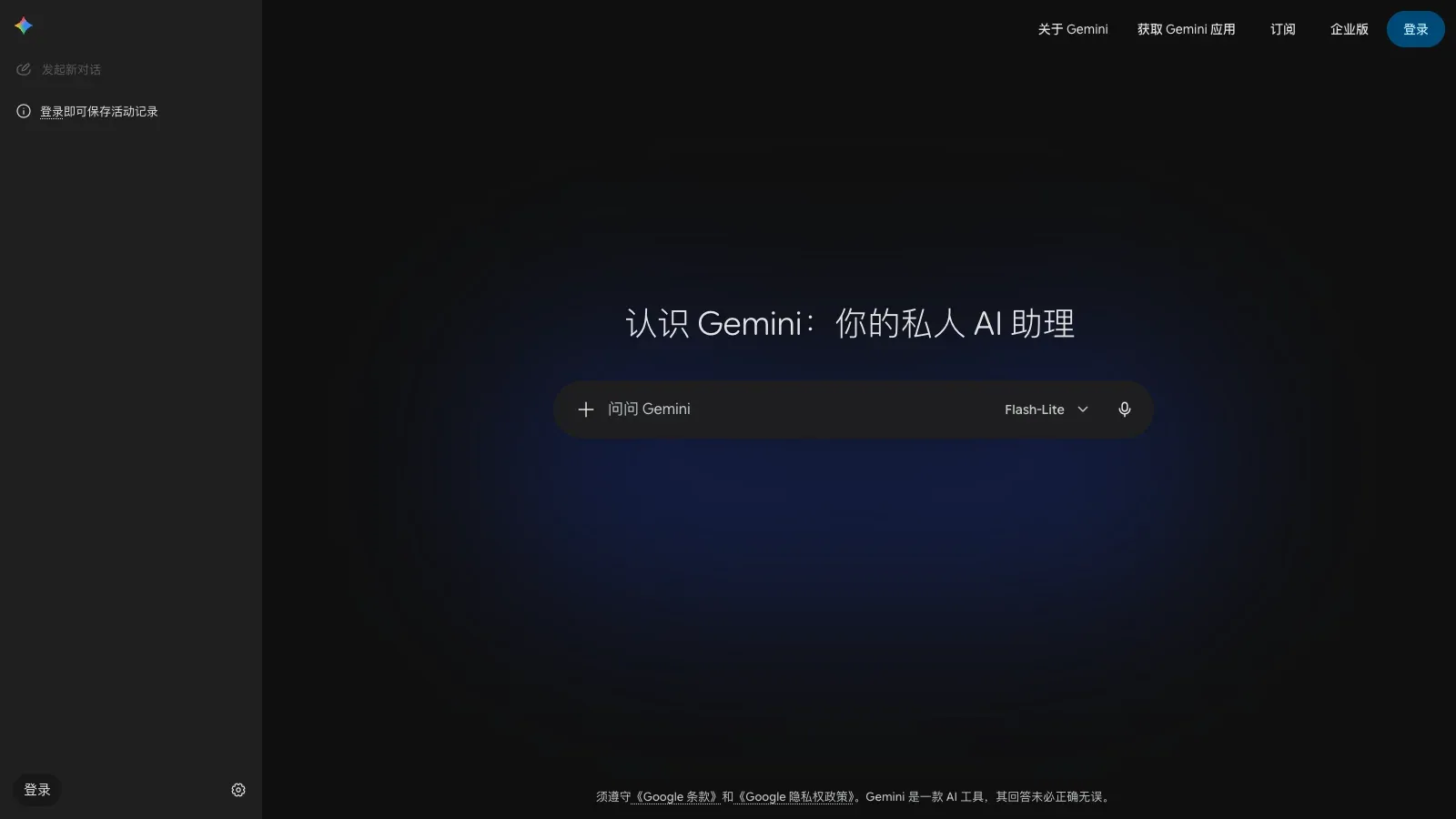
Gemini
- Free
- $4.99/month
- $19.99/month
- $99.99/month
- Choose it when
- A user combining web research questions with selected Google context.
- Think twice when
- Daily and concurrent limits apply; available sources depend on account access.
- Before you start
- Review the search plan and choose whether to include files or connected sources.
Genspark
- Free
- Price unverified
- $30/month
- Custom pricing
- Choose it when
- A researcher whose handoff includes structured material.
- Think twice when
- Agent completion does not establish that every claim has adequate evidence.
- Before you start
- Define the required deliverable and require a source table before formatting.
Felo
- Free
- $14.99/month
- Custom pricing
- Choose it when
- A researcher comparing international material.
- Think twice when
- Check original wording for decisive claims; translated summaries can lose qualifications.
- Before you start
- List source languages, target language, and region-specific terms.
Notion
- Free
- £8.5/member/month
- £16.5/member/month
- Custom pricing
- Choose it when
- Teams whose sources and working notes already live in Notion or connected work apps.
- Think twice when
- Workspace synthesis does not replace external source collection. Keep primary links and claim-level notes beside the draft.
- Before you start
- Create a source table with owner, date, URL and claim fields before drafting.
Julius AI
- Free
- $20/month
- $45/month
- $200/month
- $450/month
- Custom pricing
- Choose it when
- An analyst combining public evidence and a spreadsheet.
- Think twice when
- A correct calculation can still use an unsuitable source; audit data provenance and interpretation separately.
- Before you start
- Keep web findings and uploaded data labeled by source and date.
From a research question to a source-backed brief.
Bound the research question
Name the topic, audience, geography, and time period. Write the answer you need in one sentence and list the terms that may have more than one meaning.
Choose the source collection
In Gemini Notebook, create a notebook and search the Web from the Sources panel. Start with Fast Research, open promising original pages, and select sources to import. For a broader research question, use Deep Research and review its report and source list before importing them.
Build an evidence table
For each important claim, record the original URL, publisher, date, exact supporting passage, and any qualification. Label a calculation or inference separately from a statement made by the source.
Resolve disagreement
Compare dates, definitions, and scope when sources conflict. Follow copied claims back to the original source. If the conflict remains, describe both positions and state what evidence is missing.
Write and audit the brief
Lead with the answer, then supporting evidence and limitations. Open every decisive citation manually, confirm that it supports the adjacent claim, and record when the brief was checked. Save the source table with the final text.
Use a bounded research request.
Open original pages yourself before relying on a decisive claim. Keep the evidence table with the brief.
RESEARCH QUESTION
[One research question and the decision it supports]

SCOPE
Geography: [place]
Time period: [range and cutoff date]
Audience: [reader]
Preferred sources: [official documents, original studies, datasets]
Known sources: [links]

DELIVERABLE
Start with a short search plan.
Return a concise answer and an evidence table with:
claim | original URL | publisher | publication date | supporting passage | qualification.
Separate reported facts, calculations, and your inferences.
Trace repeated claims to the original source.
Explain conflicting sources and note inaccessible evidence.
Finish with unresolved research questions and the date checked.
Before sharing the research
Research questions before starting a research run.
Does a citation prove an answer is correct?
It gives you a place to check. Open the source and verify that its text, date, and scope support the specific claim in the answer.
When should I use deep research?
Use it for a research question with several subresearch questions or conflicting sources. A narrow fact lookup often needs only a short search and a direct check of the original page.
How is Gemini Notebook different from Gemini Apps here?
Gemini Notebook, formerly NotebookLM, lets you discover, select, and import sources into a reusable notebook before asking cited research questions. The Gemini Apps workflow starts with an editable research plan and produces a report. In Notebook, review source imports carefully: HTML imports omit embedded media and nested pages, and Deep Research is available only to users over 18.
Which option fits multilingual sources?
Felo explicitly supports cross-language search and synthesis. Verify important translated passages against the original text, particularly conditions, dates, and technical terms.
Where is Deep Research in Microsoft Copilot?
The consumer feature retired starting August 18, 2026. Microsoft currently offers Researcher to Microsoft 365 Premium and Pro subscribers and eligible business users. Open it under Agents.
Were the reports tested for accuracy here?
No. The comparisons use official product documentation. The fictional reading-room example illustrates a source-checking method and is not a measured product result.
Sources
Official product pages used to support the comparison above.
- Gemini Notebook · Starting input, Working output
- Gemini Notebook · Access
- ChatGPT · Starting input, Working output, Access
- Claude · Starting input, Working output, Access
- Gemini · Starting input, Working output, Access
- Genspark · Starting input, Working output
- Genspark · Access
- Felo · Starting input, Working output
- Felo · Access
- Notion · Starting input, Working output, Access
- Julius AI · Starting input, Working output
- Julius AI · Access